
Retail
The customer doesn't experience "online" and "in-store" as different businesses — but the data usually still lives that way, split across e-commerce, POS, and inventory systems that don't talk to each other. That gap is exactly where inventory gets it wrong and personalization feels generic instead of relevant.
Key Challenges
Omnichannel Data Fragmentation
Online, in-store and inventory data typically live in separate systems, making a single accurate view of a customer or a SKU harder to get than it should be.Volatile Demand Forecasting
Supply chain disruption and shifting consumer behavior have made traditional forecasting models unreliable right when accuracy matters most.Thin Margins and Price Pressure
Competitive pricing pressure leaves little room for error in inventory or markdown decisions.Inventory Shrinkage and Loss
Theft and process errors erode margin in ways that are hard to detect with manual monitoring alone.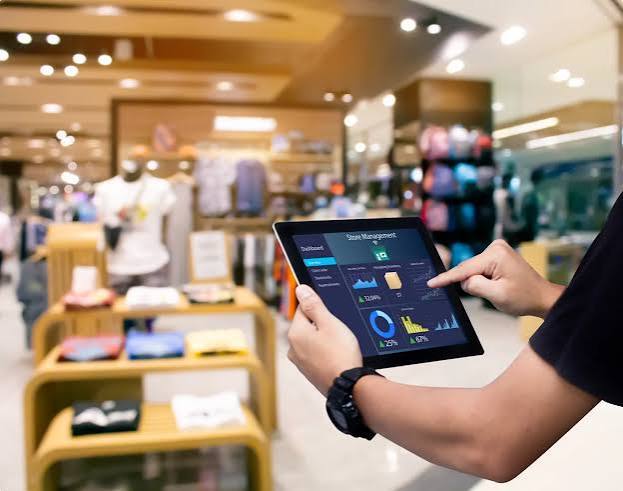
AI Impact: Use Cases
Demand Forecasting and Inventory Optimization
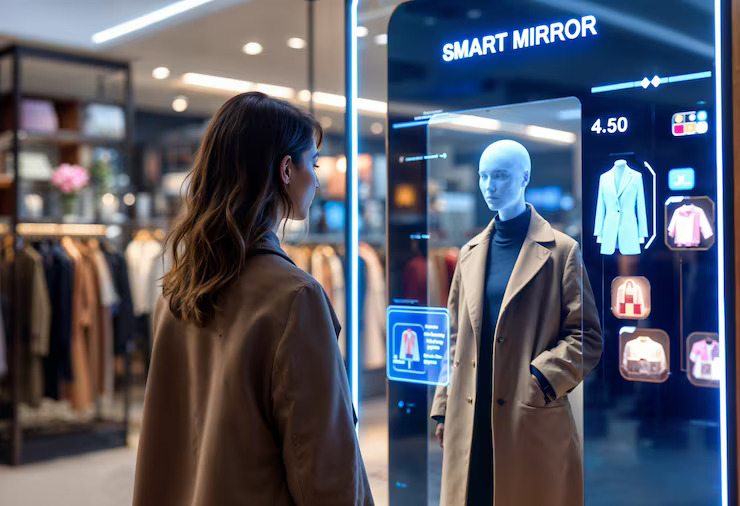
ML models that incorporate seasonality, promotions and external signals to keep inventory closer to what will actually sell.Personalized Recommendations
Recommendation engines grounded in real purchase history and behavior, not generic "customers also bought" logic.Dynamic Pricing
Models that adjust pricing in response to demand, competitor moves and inventory position in near real time.Computer Vision for Loss Prevention
Vision models monitor for shrinkage and process gaps at the shelf and register level without adding manual oversight headcount.How We Can Help
Unified Omnichannel Data
Consolidating POS, e-commerce and inventory data into one trusted view instead of three disconnected ones.
Cloud Built for Seasonal Scale
Infrastructure that handles Black Friday-level spikes without the year-round cost of over-provisioning for them.
AI for Forecasting and Personalization
Applied ML aimed at the two places retail margin is usually won or lost: inventory and customer experience.