
Healthcare
Clinicians didn't get into medicine to fight with prior authorization forms and three different EHR logins. Every hour spent on administrative friction is an hour not spent on patients — and most of that friction traces back to systems that were never designed to talk to each other.
Key Challenges
Fragmented EHR/EMR Systems
Interoperability between EHR platforms remains inconsistent even with HL7/FHIR standards, leaving care teams working from incomplete or outdated patient records.Administrative Burden and Clinician Burnout
Documentation, coding and prior authorization consume a disproportionate share of clinical time, a leading driver of burnout and staff turnover.HIPAA and Patient Data Security
Protecting patient data across a growing set of connected systems and devices raises the compliance bar every year, with real penalties for getting it wrong.Value-Based Care Reporting
Reimbursement increasingly depends on outcome and quality metrics that require clean, longitudinal data most organizations don't have readily assembled.
AI Impact: Use Cases
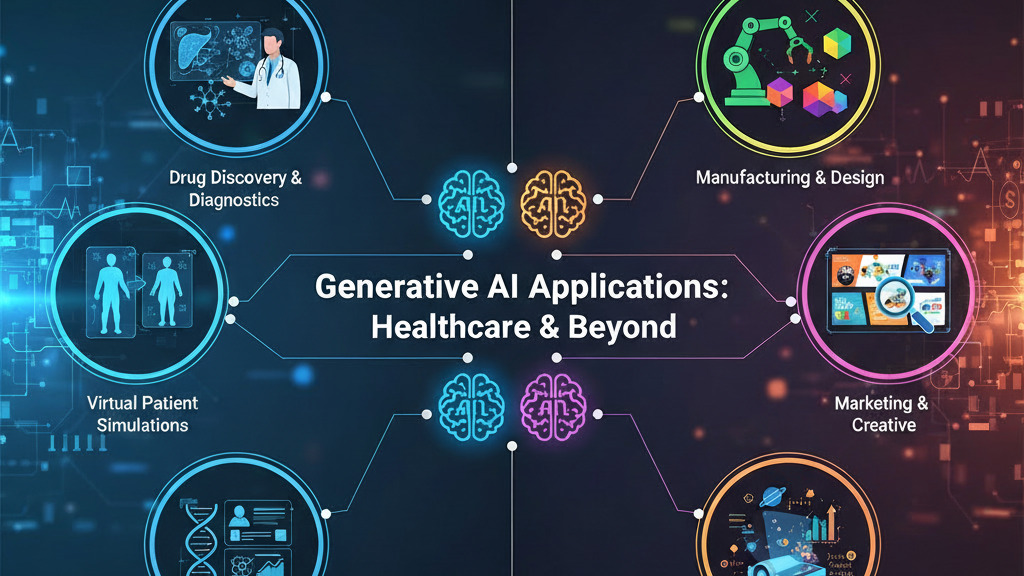
Ambient Clinical Documentation
AI-assisted scribing captures the visit conversation and drafts documentation, cutting the after-hours charting burden clinicians describe as the top driver of burnout.Predictive Readmission Risk
Models flag patients at high risk of readmission before discharge, so care teams can intervene while it's still preventable.Prior Authorization Automation
AI-assisted workflows pre-fill and validate prior authorization requests against payer rules, cutting turnaround time and denials.Population Health Risk Stratification
Analytics identify high-risk patient cohorts for proactive outreach, supporting the metrics value-based contracts are increasingly built around.How We Can Help
Interoperable Data Foundations
Legacy EHR data migration and integration work that actually respects HL7/FHIR standards, not just a one-off export.
HIPAA-Compliant Cloud
Infrastructure built and monitored to the security and access-control standards HIPAA compliance actually demands.
AI for Clinical and Admin Workflows
Automation aimed at the administrative burden first, since that's where the fastest, safest wins usually are.